Micellar Casein Bulk EU Native Structure · Slow Release
The most technically complete resource on micellar casein available for B2B buyers in Europe. Micelle architecture diagram, digestion kinetics chart, five casein types compared, stomach gel visualisation, satiety hormone data, and formulation guide — the knowledge that sells your product before your customer even places an order.
Structural biology — what no other supplier explains
Micellar casein architecture — why the native structure is everything
The word 'micellar' in micellar casein is not marketing — it is a precise structural designation. The preserved quaternary micelle structure is the single property that differentiates MC from every other casein form and determines its digestion rate, calcium content, gel-forming ability and satiety effects.
Anatomy of the casein micelle
Schematic cross-section of a bovine casein micelle (~200 nm diameter). Not to atomic scale. Based on the dual-binding model (Horne, 1998; de Kruif & Holt, 2003).
Three structural layers — how the micelle is built
1. κ-casein corona (outer shell)
κ-casein faces outward, its glycosylated hydrophilic tail (glycomacropeptide) projecting into the aqueous phase. This hairy layer creates electrosteric repulsion between micelles — preventing them from aggregating. At neutral pH (~6.7 in milk), micelles are stable. Remove the κ-casein surface (by chymosin cleavage or acid destabilisation) and micelles immediately aggregate — forming the gel you see in stomach acid and the curd you see when making cheese.
2. Casein submicelles (middle layer)
αs1-casein and β-casein molecules associate into submicelles of 15–25 molecules each. These submicelles are amphipathic — hydrophobic faces point inward, hydrophilic faces (with phosphoserine clusters) face outward toward the calcium phosphate nanoclusters.
3. Calcium phosphate nanoclusters (core)
Amorphous calcium phosphate (CaP) clusters serve as the central cross-linking agent — phosphoserine residues of αs1, αs2 and β-caseins coordinate calcium ions in the nanoclusters. A single micelle contains approximately 300–800 CaP nanoclusters. This is why micellar casein is so rich in calcium (~2,800mg/100g protein) — and why that calcium is released in highly bioavailable form during digestion (as casein phosphopeptides chelate calcium in the intestine).
Why does this matter for formulators? The intact micelle structure is what causes gel formation at acid pH. Sodium caseinate has no micelle structure — it is individual casein molecules dispersed in solution. When you put sodium caseinate in an acidic stomach, there is nothing to aggregate — it stays dispersed and is digested in 3–5 hours. When you put micellar casein in the same acidic stomach, the κ-casein surface loses its charge, micelles aggregate → gel forms → 5–7h digestion. Same protein, completely different functional profile. If your product is marketed as 'slow release' or 'anti-catabolic', the starting material must be genuine micellar casein.
Molecular weight and size
Individual casein proteins: 19–26 kDa. Casein submicelles: ~300–600 kDa. Intact casein micelles: 10⁸–10⁹ Da (100–1,000 million Da) — enormous protein assemblies, visible in milk's white colour (light scattering by micelles of this size). Micelle diameter: 150–300 nm, averaging ~200 nm. The enormous size is what makes micelles effective: the ratio of surface area to volume is low, making enzyme access slow — the basis of slow digestion.
Complete casein family — interactive comparison
Five casein types compared — structure, solubility, digestion, calcium, application
Not all casein is micellar casein. The casein family includes five commercially important forms — each produced by different processing, each with different structure and application. Click to explore each form.
Micellar Casein
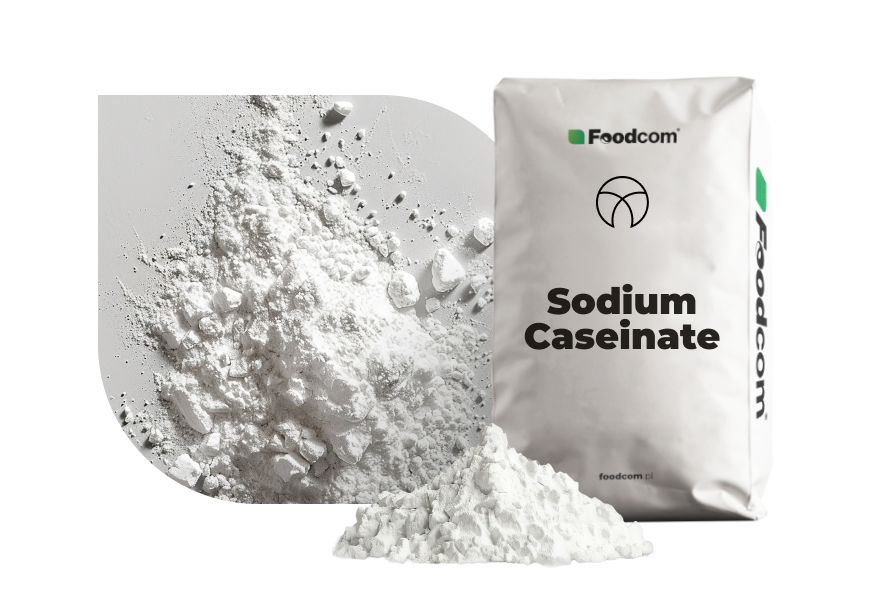
Sodium Caseinate
Calcium Caseinate
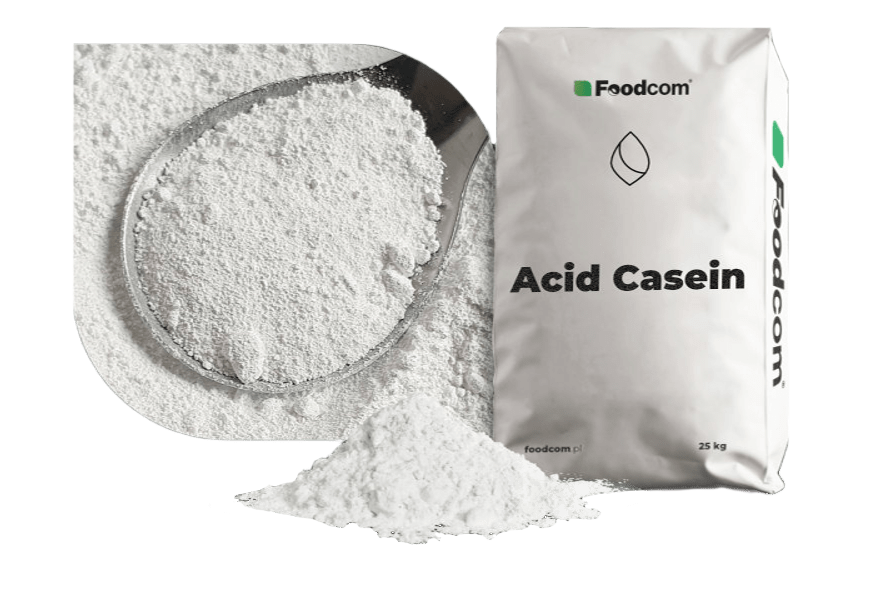
Acid Casein
Rennet Casein
Quick selection guide: Premium slow-release protein supplements → Micellar Casein. Food emulsification, beverages → Sodium Caseinate. Processed cheese analogs → Rennet Casein. Industrial raw material → Acid Casein. FDCM stocks Micellar Casein, Sodium Caseinate, Acid Casein and Rennet Casein from EU stock.
Plasma amino acid kinetics — based on RCT data
Digestion kinetics — micellar casein vs whey vs sodium caseinate
Relative plasma leucine concentration over 360 minutes post-ingestion. The kinetics difference between MC and WPC 80 is the most important data point for supplement brand positioning. Based on Boirie et al. 1997, Dangin et al. 2001, and subsequent meta-analyses. Fasted baseline = 1.0.
Relative plasma leucine (fasted = 1.0) vs time post-protein ingestion
Micellar Casein
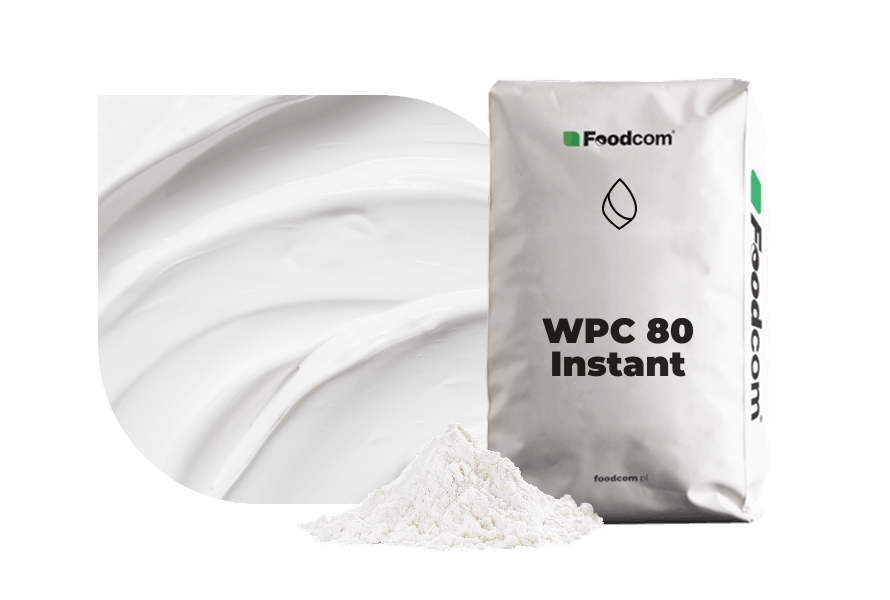
WPC 80 (fast protein)
Sodium Caseinate
Schematic representation based on published kinetics data. Individual variation is high — the key pattern (WPC = early peak, rapid fall; MC = sustained plateau) is consistent across studies. Leucine was selected as the key mTORC1-activating amino acid. Absolute concentrations vary by dose and baseline — relative patterns are more informative.
The 'leucine area under the curve' argument
Whey protein (WPC 80) achieves a higher peak plasma leucine concentration than micellar casein (~3.8–5.2× fasted vs MC's ~3.0–3.5×). This makes whey the superior choice for the immediate post-workout window — the leucine spike more strongly activates mTORC1 and initiates MPS. However, whey's leucine returns to baseline within 90–120 minutes.
Micellar casein, by contrast, maintains leucine above the 'leucine threshold' for MPS activation (~2.0–2.5× fasted, approximate) for 4–6 hours. The total leucine exposure (area under the kinetics curve) may be similar or greater for MC at equivalent doses over 6 hours. More importantly, MC prevents plasma leucine from falling below the anti-catabolic threshold — which is what matters during the overnight fast.
The overnight window: During 7–9 hours of sleep, with no dietary protein, muscle protein breakdown (MPB) exceeds muscle protein synthesis (MPS) → net negative protein balance → muscle catabolism. A 40g MC dose at bedtime maintains plasma leucine above the anti-catabolic threshold for 5–7 hours — covering the majority of the sleep window. This is why pre-sleep casein consistently outperforms placebo in RCTs for overnight MPS.
Optimal protein strategy: MC + WPC blended
For supplement formulators targeting maximum muscle protein synthesis across 24 hours, the evidence points to a bi-phasic strategy:
Pre-sleep (30 min before bed): Micellar Casein 30–40g — overnight anti-catabolism
Between meals (>4h gap): Micellar Casein or MC:WPC blend — sustained leucine without overwhelming GI
For a single all-purpose protein powder that serves both daytime and pre-sleep use: a 60:40 MC:WPC 80 blend provides intermediate kinetics — faster than pure MC, more sustained than pure WPC. Many premium protein blends use this ratio.
FDCM supplies both micellar casein and WPC 80 (regular and instant) from EU stock — consolidated shipment, one invoice.
Acid gelation — the mechanism of slow release
Stomach gel formation — why micellar casein is naturally slow
From liquid shake to solid gel — the isoelectric mechanism
Schematic: MC suspension (neutral pH) → gastric acid (pH 1.5–2.5) → casein gel formation at pI 4.6 → slow enzymatic digestion over 5–7 hours.
The isoelectric point — chemistry of gel formation
Casein has an isoelectric point (pI) of approximately 4.6. At pH above pI (~6.7 in milk, ~6.5–7.0 in a shake), casein molecules carry a net negative charge — they repel each other. Micelles remain dispersed and stable.
When micellar casein enters the stomach (pH 1.5–2.5), the pH drops far below 4.6. As pH approaches the isoelectric point during gastric transit, the net charge on casein approaches zero. Electrostatic repulsion between micelles is lost. Micelles begin to aggregate through hydrophobic interactions and calcium bridging — forming a viscoelastic gel clot. This is identical to the first stage of cheese making (rennet clotting also works by removing the stabilising κ-casein charge, causing the same aggregation).
The gel forms rapidly — within minutes of reaching the stomach. Its physical properties are significant: it is rubbery, semi-solid, and has dramatically reduced surface area compared to dispersed micelles. Digestive enzymes (pepsin in the stomach, trypsin and chymotrypsin in the small intestine) can only access the outer surface of the gel, slowly eroding it over hours.
Why sodium caseinate does NOT form a gel: Sodium caseinate has been alkali-treated — the micellar structure is destroyed. Individual casein molecules are dispersed in solution. When they encounter acid, they do precipitate at pH 4.6 (isoelectric precipitation) — but as loose aggregates, not a structured gel. The result is faster digestion (3–5 hours vs 5–7h for MC). For slow-release applications, there is no substitute for genuine micellar casein.
Formulation consequences of gel formation
Understanding gel formation is essential for product development:
Puddings and desserts: MC will naturally gel at refrigerator temperature at concentrations above 12–15% protein — this is a feature, not a defect. High-protein overnight oats and casein puddings rely on this property.
RTD beverages: gel formation is problematic in ready-to-drink products — use sodium caseinate instead. MC is not suitable for ambient RTD beverages without significant formulation work (UHT treatment partially denatures the micelle structure).
Acid combinations: never add citric acid, ascorbic acid at high doses, or fruit juices to MC formulations — the acid will cause visible precipitation before the product reaches the stomach. This is not dangerous, but makes the product visually unappealing and may cause lumps.
Satiety hormones — clinical comparison
Micellar casein & satiety — GLP-1, CCK, PYY and gastric emptying vs WPC 80
Micellar casein's slow digestion and gel-forming properties produce superior satiety responses compared to whey protein. This has direct implications for weight management supplement formulations. Data from clinical studies comparing isocaloric, isonitrogenous protein loads.
Peptide YY — produced by L-cells, reduces appetite for 2–3h post-meal
Gastric emptying t½ (min)
112
48
Gastric half-emptying time — MC takes 2× longer due to gel formation
Energy intake (% reduction)
-22
-12
Reduction in ad libitum energy intake at next meal vs control (meta-analysis)
Boirie et al. 1997 — the original slow vs fast protein study
The seminal paper "Slow and fast dietary proteins differently modulate postprandial protein accretion" (Science, 1997) introduced the concept of fast and slow proteins. Key findings: (1) Whey protein produced a large, transient increase in postprandial protein synthesis (+68% peak) — but also increased protein oxidation. (2) Casein produced a smaller but more prolonged stimulation of protein synthesis — with reduced protein oxidation. (3) Over 7 hours: casein produced greater whole-body protein retention (+25% vs whey). This study established the mechanistic basis for casein's anti-catabolic superiority over the overnight fasting period.
Weight management applications
The satiety hormone profile of MC has direct commercial relevance: GLP-1 elevation explains why MC-based formulations reduce hunger for longer after ingestion. CCK elevation explains reduced portion sizes at subsequent meals. PYY elevation provides sustained between-meal appetite suppression. For supplement brands targeting weight management: a high-MC protein blend is scientifically and regulatorily positioned better than a whey-dominant formulation for satiety claims. EU health claim 'protein contributes to a feeling of satiety' (EFSA) — MC-based products have stronger underlying evidence for the claim than whey-based equivalents.
Practical formulation guide
Formulating with micellar casein — four applications with full technical protocols
Micellar casein's unique properties require specific formulation knowledge. Each application below includes optimal protein concentration, pH requirements, key tips and ingredients to avoid.
🌙
Overnight protein shake
Protein level
20–30g protein per serve
Target pH
~6.8–7.2 (neutral)
Formulation tips
Blend at room temperature (not hot). Add at 20°C max — heat above 65°C can partially denature and reduce gel-forming ability. Mix with whole or semi-skimmed milk for improved palatability and additional slow protein. Avoid citric acid or ascorbic acid — will cause precipitation. Preferred flavours: vanilla, chocolate (cocoa is alkaline — helps stability), caramel.
⚠ Avoid: Acidic fruit flavours (pH <4.5 will precipitate casein), vitamin C at high levels
🍮
High-protein pudding / overnight oats
Protein level
25–35g protein per serve
Target pH
~6.5–7.0
Formulation tips
MC naturally thickens at refrigerator temperature — use 15–20% protein concentration in liquid for thick, Greek yogurt-like texture. Set for 4+ hours refrigerated. Combine with psyllium husk (1–2g) for additional thickness without adding protein. No heat needed — cold gelation properties.
⚠ Avoid: Stirring during gelation phase. Acidic mix-ins (lemon, berry purées) until after setting.
🏥
Clinical nutrition formula
Protein level
0.5–1.5g protein/kg body weight
Target pH
~6.8–7.4
Formulation tips
MC's slow release makes it appropriate for tube feeding and clinical formulas where sustained amino acid delivery is needed. Combine with carbohydrate source (maltodextrin DE 15) for complete nutritional profile. For renal patients: check phosphorus content — MC is high in phosphorus (~550mg/100g). For wound healing: combine with L-glutamine and arginine (arginine not in FDCM range).
⚠ Avoid: Use in patients with milk protein allergy. Excess in severe renal impairment without dietitian guidance.
🏋️
Sports recovery / high-protein product
Protein level
20–40g protein per serve
Target pH
6.5–7.5
Formulation tips
For pre-sleep protein: 40g MC has been shown in multiple RCTs to enhance overnight MPS by 22–34% vs placebo. Critical: take within 30 min of bed. For daytime use: blending 50% WPC 80 + 50% MC provides bi-phasic amino acid release — leucine spike from whey + sustained release from casein. Ideal for long inter-meal periods (>4h fasted).
⚠ Avoid: Using MC as a post-workout only protein — its slow release makes it sub-optimal for the immediate post-workout window. Use WPC 80 post-workout, MC pre-sleep.
Molecular biology
Casein subunit composition — αs1, αs2, β and κ-casein explained
Micellar casein is not a single protein — it is a family of four distinct phosphoproteins with different structures, phosphorylation levels and functional roles. Understanding the subunits explains why micellar casein behaves as it does.
Highest phosphorylation — strongest calcium binding. Absent in human milk (unlike bovine)
β-casein
25–35%
5 P-Ser
24.0 kDa
Most hydrophobic — core of micelle. Precursor of β-casomorphin peptides (BCM-7). A1 vs A2 variant debate
κ-casein
8–15%
1 P-Ser
19.0 kDa
Surface corona stabiliser — glycosylated, hydrophilic. Cleaved by chymosin at Phe105-Met106 to trigger clotting. Only casein with N-acetylneuraminic acid
The A1 vs A2 β-casein controversy
β-casein exists in several genetic variants. The most commercially important distinction: A1 and A2. In A1 β-casein, the amino acid at position 67 is histidine. During digestion, the histidine-67 bond is cleaved by intestinal peptidases — releasing β-casomorphin-7 (BCM-7), an opioid peptide that may slow gut motility and has been linked in some research to adverse gastrointestinal effects. A2 β-casein has proline at position 67. Proline-67 is not cleaved by intestinal peptidases — BCM-7 is not released. A2 milk has become a significant consumer marketing category based on this difference. Standard bovine micellar casein is predominantly A1/A2 mixed — depending on breed of cattle. Jersey and Guernsey cattle produce predominantly A2 milk; Holstein-Friesian (most common dairy breed in Europe) produces mixed A1/A2.
κ-casein and the cheese-making connection
κ-casein is the most functionally unique of the four subunits — it is the reason fresh milk is stable, the reason cheese can be made, and the reason micellar casein forms a stomach gel. κ-casein's glycomacropeptide (GMP) domain is negatively charged and heavily glycosylated — this creates the 'hairy layer' visible in electron micrographs of casein micelles, providing steric and electrostatic repulsion. When the enzyme chymosin (rennet) cleaves κ-casein at Phe105-Met106, the GMP is released into the whey, and the para-κ-casein remaining on the micelle surface loses its repulsive properties — micelles aggregate → curd forms. In the stomach: acid achieves the same effect without enzyme cleavage — the charge on κ-casein is neutralised at pH 4.6, aggregation follows. Both milk clotting and stomach gelation are manifestations of the same underlying physical chemistry of κ-casein.
Synergistic formulations
Pre-sleep & recovery stacks — three complete protocols
Micellar casein is the foundation — these stacks show what to combine it with for overnight MPS, clinical nutrition and joint recovery. All ingredients from FDCM EU stock in one consolidated DSV shipment.
Micellar casein has a well-established safety profile as a naturally occurring dairy protein. Key considerations for formulators and regulatory compliance.
Parameter
Status / Value
Allergen status
⚠ Note — Major allergen: Cow's milk protein. Must be declared as 'Milk' in EU ingredient lists (EU 1169/2011, Annex II). Casein-specific: cross-reactive with other ruminant milks (goat, sheep). Not cross-reactive with egg, soy or wheat.
Novel Food status
✓ OK — Not a novel food — long history of use in food supplements and food products before May 1997.
GRAS status (USA)
✓ OK — Generally Recognized as Safe. Used as food protein for decades.
Lactose content
✓ OK — ≤0.5g/100g (virtually lactose-free — lactose removed during processing). Suitable for lactose intolerant individuals despite being dairy-derived.
Heavy metals (EU 231/2012)
✓ OK — Pb ≤0.5 ppm, Cd ≤0.5 ppm, As ≤0.5 ppm, Hg ≤0.05 ppm. CoA confirms compliance per batch.
Doping / sport supplement
✓ OK — No prohibited substances. No WADA-listed compounds. Anti-doping certified (Informed Sport / NSF equivalent on request).
Renal considerations
⚠ Note — High in phosphorus (~550mg/100g) and potassium. Patients with CKD stage 3+ should monitor intake. Not contraindicated for healthy individuals at normal doses.
Heat stability
⚠ Note — Denatures partially above 65°C. For hot beverages: use sodium caseinate instead. MC suitable for cold applications, ambient shakes, puddings.
Full catalogue
Micellar casein & complementary dairy proteins — FDCM EU stock
Micellar casein plus the proteins most often blended or compared — all from EU stock with CoA per batch. One DSV shipment, one invoice.
Road freight from Warsaw EU warehouse. Full tracking, 3–7 business days. 25 kg minimum, no framework contract. Consolidated protein orders ship as one consignment.
Micellar casein bulk EU — the most complete technical FAQ available
Written at supplement brand formulator and sports nutritionist level — micelle structure, digestion mechanisms, RCT data, EU regulatory requirements, formulation do's and don'ts, and procurement documentation. The knowledge that answers your customers' questions before they ask.
No — 'casein protein' is a broad category that includes sodium caseinate, acid casein, calcium caseinate, rennet casein and micellar casein. They differ fundamentally in structure, processing, solubility and function. Micellar casein is the only form that preserves the native quaternary structure found in fresh milk: casein submicelles (assemblies of 15–25 individual casein molecules) clustered around calcium phosphate (CaP) nanoclusters, stabilised at the surface by κ-casein's hydrophilic glycomacropeptide domain. This quaternary architecture is 150–300 nm in diameter — visible under transmission electron microscopy as distinct spherical micelles. It is this intact micelle that makes the difference: it forms a gel in the acid environment of the stomach (at the isoelectric point, pH 4.6), dramatically slowing digestion to 5–7 hours. Sodium caseinate has been alkali-treated — the micelle structure is completely destroyed, calcium is largely removed, and digestion is 3–5 hours. Acid casein is insoluble without further processing. Micellar casein is the premium form — closest to the protein as it exists naturally in dairy.
Two distinct mechanisms operate sequentially: (1) Stomach gel formation: when micellar casein reaches the acid environment of the stomach (pH 1.5–2.5), the pH falls below the isoelectric point of casein (pH 4.6). At this pH, casein's net charge approaches zero — electrostatic repulsion between micelles is lost, and they coagulate into a viscoelastic gel clot. This is the same process that occurs when milk is made into cheese. The gel clot has dramatically reduced surface area accessible to digestive enzymes. (2) Enzyme access limitation: pepsin (stomach) and trypsin/chymotrypsin (small intestine) must mechanically and enzymatically erode the gel structure. This is slow — amino acids are released gradually over 5–7 hours rather than 60–90 minutes. Sodium caseinate does not form a gel (no intact micelles to aggregate) — it remains in solution and is digested in 3–5 hours. WPC 80 (whey proteins, which are globular) denatures in the stomach but does not gel — fully digested in 1–2 hours. The practical consequence: a 40g micellar casein shake before sleep provides detectable plasma amino acid elevation throughout the night, maintaining a positive muscle protein synthesis rate for 7+ hours.
Pre-sleep is the most evidence-supported timing. Multiple RCTs confirm: (1) Res et al. (2012, Medicine & Science in Sports & Exercise): 40g casein pre-sleep vs placebo — whole-body protein synthesis rates were 22% higher throughout the night, and muscle protein synthesis was significantly elevated. (2) Snijders et al. (2015, Journal of Nutrition): 40g casein pre-sleep over 12 weeks of resistance training — 3.9kg more lean mass gain vs placebo. (3) Trommelen & van Loon (2016, Nutrients): systematic review confirming pre-sleep casein as consistently superior for overnight MPS. The mechanism: sleep is the longest fasting period in any 24-hour cycle (7–9 hours). During this window, without dietary protein, muscle protein breakdown exceeds synthesis. Micellar casein's 5–7h digestion matches the sleep window — amino acids are still being absorbed during hours 4–7 of sleep. For bodybuilders, strength athletes and anyone optimising body composition: take 30–40g micellar casein 30 minutes before sleep. For clinical patients or elderly needing sustained protein: also consider daytime servings between meals when fasting periods exceed 4 hours.
The choice determines the product category: Use micellar casein when: making premium slow-release protein supplements, pre-sleep products, high-protein puddings (casein's natural gelation), satiety-focused meal replacements, anti-catabolic supplements for athletes. Use sodium caseinate when: making food products requiring emulsification (coffee whiteners, cream soups, sauces), meat binding (processed meat products), high-protein beverages that must remain clear and smooth at any pH, or any formulation where gel formation would be problematic. Key formulation implications: (1) MC is not fully soluble — it forms a colloidal suspension. Solutions above 20g/100ml will gel in the refrigerator — which is a feature for overnight oats and puddings, but a defect in ready-to-drink beverages. (2) MC precipitates when pH drops below 5.5 — do not combine with citric acid, fruit juices or vitamin C at high doses in the same formulation. (3) MC is less heat stable than sodium caseinate — avoid temperatures above 65°C for extended periods. For RTD beverages, sodium caseinate is the correct choice; for premium slow-release powder supplements, micellar casein is superior.
Bovine micellar casein consists of four main subunits in characteristic ratios: (1) αs1-casein (38–46%): the most abundant subunit, 8 phosphoserine residues that coordinate calcium phosphate nanoclusters — the 'glue' holding the submicelles together. Strongly amphipathic. (2) αs2-casein (8–11%): highest phosphorylation (11 phosphoserines), strongest calcium binding — absent in human breast milk (where β-casein dominates). (3) β-casein (25–35%): most hydrophobic casein, concentrated in the micelle core. Exists in A1 and A2 genetic variants — A1 releases β-casomorphin-7 (BCM-7) during digestion, A2 does not. The A1/A2 protein market is based on this variant difference. (4) κ-casein (8–15%): the critical surface stabiliser. Glycosylated (N-acetylneuraminic acid), negatively charged — provides electrosteric repulsion between micelles preventing aggregation. When chymosin (rennet) cleaves κ-casein at the Phe105-Met106 bond, the surface charge is lost → micelles aggregate → cheese curd forms. This is exactly what happens in the stomach when acid removes the charge — without enzymatic cleavage, but with the same aggregation result.
Micellar casein has superior satiety effects vs whey protein across multiple mechanisms: (1) GLP-1 (Glucagon-like peptide-1): ~52% higher peak at 90 minutes post-ingestion vs WPC 80. GLP-1 slows gastric emptying and signals satiety to the hypothalamus. (2) CCK (Cholecystokinin): ~45% higher peak at 60 min. CCK is the intestinal satiety hormone — triggers gallbladder contraction and reduces appetite. (3) PYY (Peptide YY): ~53% higher peak at 120 min. Produced by L-cells in the ileum — sustained appetite suppression for 2–4 hours post-meal. (4) Gastric emptying: t½ ~112 min for MC vs ~48 min for whey — MC stays in the stomach more than twice as long, maintaining fullness. Clinical evidence: meta-analyses of protein-enriched diets show casein sources consistently reduce ad libitum energy intake by 18–25% at subsequent meals vs control — greater than whey protein (12–15%). For weight management supplement formulations: high-protein shakes using micellar casein provide superior satiety per gram of protein vs whey-based alternatives.
Micellar casein is one of the richest natural sources of bioavailable calcium: approximately 2,500–2,900mg calcium per 100g protein. The calcium is in two forms: (1) Micellar calcium phosphate (~40% of total): bound within calcium phosphate nanoclusters (CaP) at the core of the micelle structure. These nanoclusters are critical for micelle integrity. During digestion, as the micelle gel is broken down, this calcium is released in ionic form — bioavailable. (2) Colloidal calcium (~60%): bound to the phosphoserine residues of αs1, αs2 and β-caseins. Also released during acid digestion. Bioavailability: the calcium from casein forms casein phosphopeptides (CPPs) during digestion. CPPs are small peptides with multiple phosphoserine residues that chelate calcium and prevent its precipitation at intestinal pH — dramatically improving calcium absorption. Studies show CPP-bound calcium has 2–4× higher bioavailability than inorganic calcium carbonate or calcium phosphate supplements. For supplement formulators: micellar casein provides significant calcium without requiring added calcium salts — a relevant consideration for products targeting bone health, elderly populations, or sports recovery (calcium is involved in muscle contraction signalling).
Micellar casein is well-tolerated by most people, but a few specific situations can cause issues: (1) Lactose intolerance: micellar casein contains ≤0.5g lactose per 100g (virtually lactose-free — the lactose remains in the whey fraction during dairy processing). Most lactose intolerant individuals tolerate it without symptoms. Confirmed by CoA. (2) Milk protein allergy: genuinely different from lactose intolerance — an immune-mediated response to casein or whey proteins. Micellar casein DOES contain the allergenic proteins (αs1-casein, β-casein). People with clinically confirmed milk protein allergy should avoid it. Prevalence: ~0.5% of adults. (3) Large doses: taking >50g protein in one serving can cause discomfort in some individuals — not specific to casein, any concentrated protein source can slow gastric motility at high doses. The 40g dose used in RCTs is well-tolerated. (4) Speed of consumption: casein should be consumed as a shake, not rapidly ingested as a large gel — the gelation property means very thick solutions (>25g/100ml) can feel heavy. Practical note: mix with water or low-fat milk, not fruit juice (acid will cause premature precipitation, creating lumps and potentially causing discomfort).
Yes — there is strong evidence specifically for elderly populations. Ageing is associated with 'anabolic resistance': skeletal muscle becomes less responsive to the anabolic stimulus of protein ingestion. A key intervention is ensuring adequate protein availability during the nocturnal fasting period — during which elderly people experience significant muscle protein breakdown. Multiple studies (Res et al., Groen et al., 2012; Kinsey et al., 2014; Trommelen et al., 2016) show pre-sleep protein ingestion — at 30–40g casein — effectively stimulates overnight MPS even in older adults (65–80 years). For clinical nutrition: (1) Satiety effects of MC help with protein intake compliance in under-eating patients. (2) High calcium content supports bone health. (3) Casein phosphopeptides (CPPs) released during digestion have antimicrobial properties and may support gut immunity. (4) MC's sustained amino acid delivery matches the nutritional needs of post-surgical recovery. Important consideration: MC is high in phosphorus (~550mg/100g protein) — patients with CKD stage 3+ or on phosphate binders should use under dietitian guidance.
Micellar casein contains approximately 9.0–9.5% leucine per gram of protein (~9.2g leucine per 100g protein). A standard 30g protein serving provides ~2.75g leucine. Whey protein (WPC 80) contains approximately 10.5–11% leucine — slightly higher per gram. The leucine threshold for initiating muscle protein synthesis (MPS) via mTORC1 activation is approximately 2–3g in a single dose — both MC and WPC exceed this threshold at standard 30g+ servings. Where they differ: Kinetics, not magnitude. WPC 80 creates a rapid leucine spike (peak ~30–45 min post-ingestion) that strongly activates mTORC1 but subsides within 90 minutes — leaving a 'valley' of sub-threshold leucine. MC creates a slower, more sustained leucine elevation above threshold for 4–6 hours — keeping mTORC1 partially activated for longer. Anti-catabolism: leucine also suppresses muscle protein breakdown (MPB) by inhibiting the ubiquitin-proteasome pathway — sustained leucine from MC provides more prolonged anti-catabolic effect. The practical implication for supplement formulation: blending MC with WPC (50:50 or 60:40 MC:WPC) provides the best of both — immediate leucine spike from whey + sustained anti-catabolism from casein.
EU regulatory status: (1) Food ingredient classification: micellar casein is a dairy-derived food ingredient, not a food additive — no E-number required. Declared on labels as 'Micellar casein (milk)', 'Native micellar casein', or 'Casein (milk)' in ingredient lists. (2) Allergen declaration (EU 1169/2011, Annex II): milk is a listed major allergen. Must be declared in bold or with other visual emphasis in ingredients list regardless of quantity. No minimum threshold for casein allergen declaration. (3) Novel Food status: micellar casein is not a novel food — long history of use in food products predating the May 1997 EU Novel Food Regulation cutoff. (4) Protein claims: 'High protein' claim requires ≥20% energy from protein (EU 1924/2006); 'Source of protein' requires ≥12% energy. Standard 30g serving at ~80% protein easily qualifies. (5) Lactose-free: if lactose content is ≤0.01g/100g (analytical), 'lactose-free' claim is permitted under EU law — standard MC qualifies. (6) CoA requirements: FDCM provides standard CoA per batch including protein content (Kjeldahl N×6.38), moisture, ash, fat, microbiological parameters, and heavy metals per EU 231/2012.
Standard with every delivery: Certificate of Analysis (CoA) per batch — protein content (Kjeldahl, N×6.38), moisture, fat, ash, pH, microbiological parameters (TPC, E. coli, Salmonella, S. aureus, mould & yeast), heavy metals (Pb, Cd, As, Hg per EU 231/2012), lactose content. On request at no additional charge: Technical Data Sheet (TDS), allergen declaration (contains: Milk), non-GMO declaration, halal/kosher certificate, heat treatment declaration, country of origin certificate, EU Regulation 178/2002 traceability documentation, amino acid profile (HPLC). Minimum order: 25 kg. No framework contract or annual volume commitment. Processing: 1–2 business days. DSV road freight 3–7 business days EU-27 with full shipment tracking. Consolidated orders (micellar casein + sodium caseinate + WPC 80 etc.) as one DSV consignment — one invoice. Contact: contact@fdcm.eu.
Order & Enquiries
Source micellar casein bulk from EU stock
We respond to all B2B enquiries within 4 business hours
DSV road freight · 3–7 business days All 27 EU member states Full tracking from dispatch Delivery options →
Ready to source micellar casein bulk from EU stock?
25 kg minimum · ≥80% protein · Native micelle structure · CoA per batch · DSV delivery to all 27 EU member states in 3–7 business days. Consolidated protein orders welcome — one shipment, one invoice.